What is Distraction?
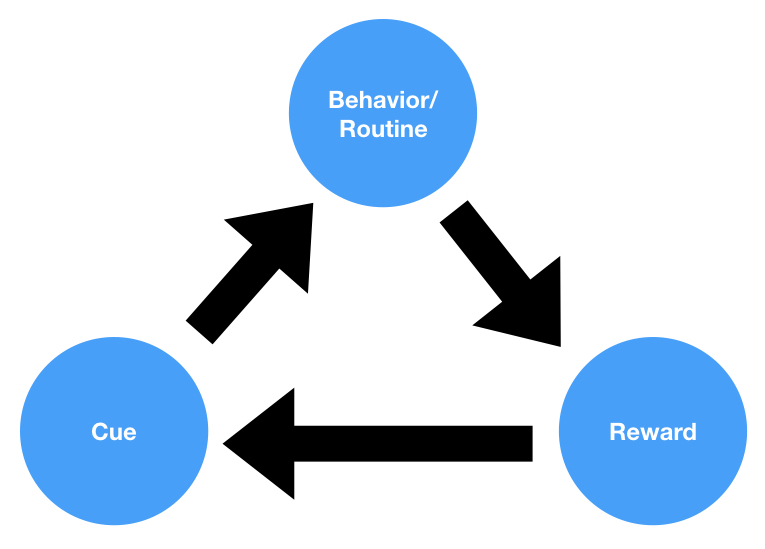
Distraction as a behavior change technique involves directing attention away from cues or urges associated with an unwanted behavior, buying time for the impulse to pass without acting on it.
How it works
Impulses and cravings are time-limited: most peak and subside within 15-20 minutes if not acted upon. Distraction works by occupying working memory with an alternative task during the critical window when the urge is strongest. Effective distractors are absorbing (they fully occupy attention), available (can be deployed immediately), and incompatible with the unwanted behavior (you cannot eat while doing push-ups). The technique is a short-term coping strategy rather than a long-term solution.
Applied example
A person experiencing a cigarette craving plays a brief, engaging puzzle game on their phone. The game occupies the same working memory resources that would otherwise be consumed by thoughts of smoking, and by the time they finish, the craving has weakened.
Why it matters
Distraction is a practical relapse prevention tool because it exploits the time-limited nature of cravings and urges, providing a bridge across the gap between impulse and action.