What is Self-incentive?
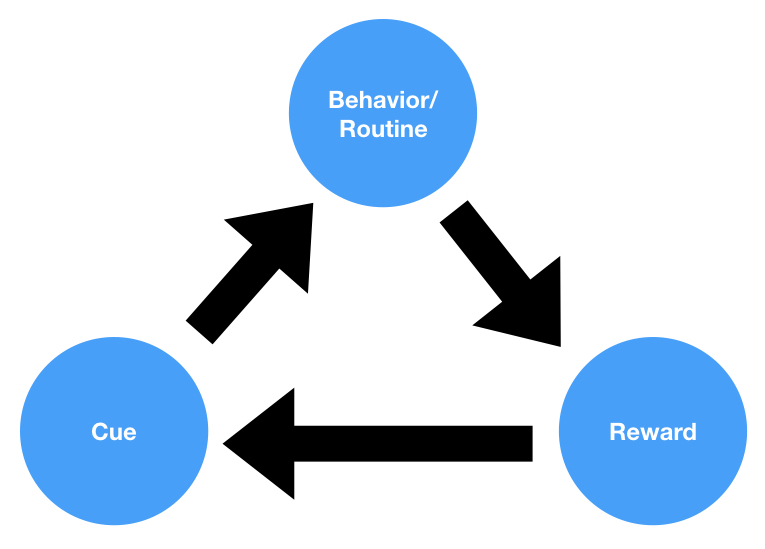
Self-incentive involves a person planning their own reward contingent on performing the target behavior. The person both sets the contingency and provides the reward, creating a self-managed reinforcement system.
How it works
Self-incentive builds autonomy by making the person their own behavior manager. The technique requires: selecting a meaningful reward, defining a clear behavioral criterion, and following through on both the behavior and the reward delivery. The main challenge is self-enforcement: people tend to take the reward without completing the behavior. Pairing self-incentive with self-monitoring and accountability reduces this problem.
Applied example
A graduate student who rewards themselves with an episode of their favorite show only after completing two hours of thesis writing creates a self-incentive system. The key is genuine contingency: no writing, no show, even if tempted.
Why it matters
Self-incentive builds self-regulation skills by teaching people to manage their own reinforcement contingencies, an essential capability for maintaining behavior change without external support.