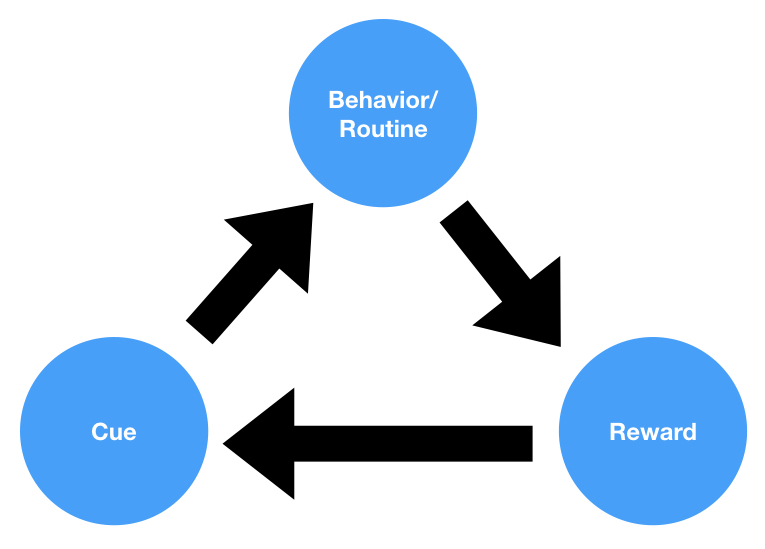
What is Remove aversive stimulus?
This technique removes an unpleasant condition or experience when the target behavior is performed, using negative reinforcement to increase the behavior. The removal of something bad serves as the reward.
How it works
Negative reinforcement is frequently confused with punishment but operates in the opposite direction: it increases behavior by removing something aversive. The technique works because the relief from discomfort is inherently rewarding. It is especially relevant in therapeutic contexts where behaviors can be shaped by systematically reducing discomfort as the person progresses.
Applied example
A person with chronic back pain learns that specific stretching exercises reduce their pain within minutes. The removal of the aversive stimulus (pain) reinforces the stretching behavior, making it self-sustaining because the person directly experiences relief as the consequence.
Why it matters
Removing an aversive stimulus creates powerful natural reinforcement that sustains behavior without external rewards, because the relief itself is the reward.