What is Relapse prevention?
Relapse prevention is a cognitive-behavioral approach that teaches people to anticipate high-risk situations for returning to unwanted behaviors and to develop coping strategies in advance.
How it works
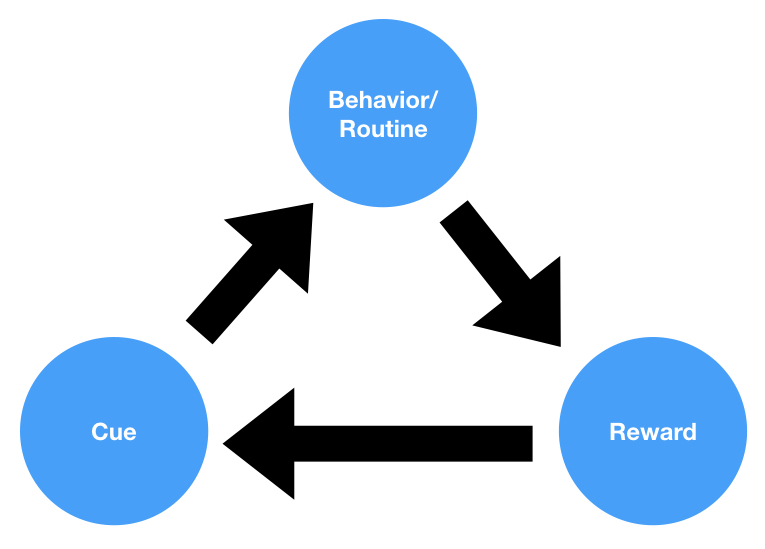
Marlatt and Gordon’s model identifies relapse as a process, not an event: it begins with a high-risk situation (a party where others drink), followed by inadequate coping (no planned response), leading to a lapse (one drink), then the abstinence violation effect (feeling like a failure, thinking ‘I have already ruined it’), and finally full relapse. The technique teaches: identifying personal high-risk situations, developing specific coping strategies for each, distinguishing lapses from relapses, and recovering quickly from slips without catastrophizing.
Applied example
A recovering alcoholic identifies Friday happy hours as their highest-risk situation and prepares: they schedule a gym session for Friday evenings (incompatible activity), prepare a response for social pressure (‘I am driving’), and have a sponsor to call if temptation becomes intense.
Why it matters
Relapse prevention converts the chaotic experience of temptation into a manageable, plannable challenge by making high-risk situations predictable and preparing specific responses in advance.