What is Behavioral maintenance?
Behavioral maintenance is the sustained performance of a behavior after the initial change period ends. It addresses the critical challenge that most behavior changes are temporary: people who successfully change a behavior often revert within weeks or months.
How it works
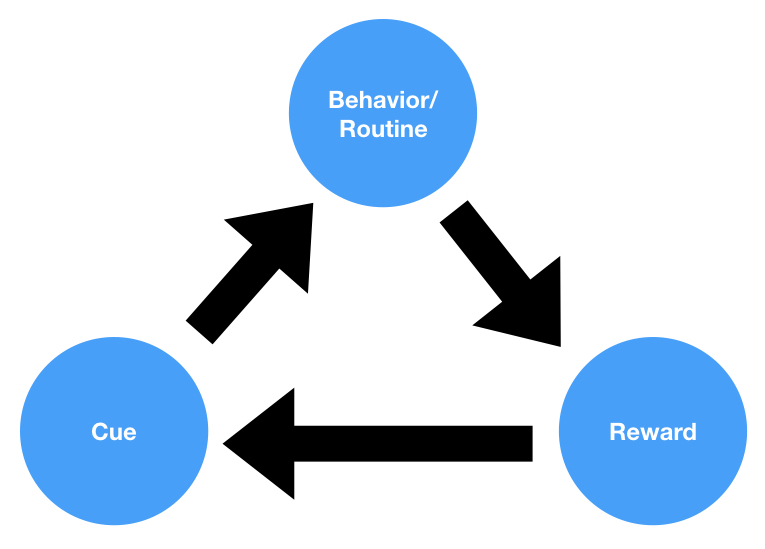
Maintenance differs from initiation in its psychological requirements. Starting a behavior is driven by motivation and novelty. Maintaining it requires habit formation, identity integration, environmental support, and relapse prevention planning. Research shows that behaviors typically need 66 days of consistent repetition to become automatic (Lally et al., 2010), and that the transition from intentional to habitual behavior is the most vulnerable period for relapse.
Applied example
A person who successfully quits smoking for three months but relapses at a party where others smoke has failed at maintenance, not initiation. Maintenance would have required a relapse prevention plan for high-risk situations, identity work (‘I am a non-smoker’), and environmental strategies (avoiding triggers during the vulnerable period).
Why it matters
Behavioral maintenance is where most interventions fail: achieving initial change is relatively easy, but sustaining it requires fundamentally different strategies focused on automaticity, identity, and environmental redesign.